

December 4, 2025
Polyester is widely used in textiles for its durability and affordability, but it creates a major waste problem due to its long decomposition time. Biodegradable additives offer a solution by enabling polyester to break down into non-toxic byproducts like biomass, carbon dioxide, and water under controlled conditions. These additives work by altering the polymer surface, attracting microbes that accelerate degradation in environments like industrial composting facilities.
Key takeaways:
Biodegradable additives are reshaping how polyester is managed, offering a practical way to reduce waste and improve end-of-life outcomes for textiles.
Biodegradable additives change the way polyester behaves once it’s discarded. These additives attract microorganisms and alter the surface of the polymer, making it easier for enzymes to break down the material’s structure.
Without additives, polyester is extremely resistant to microbial degradation because of its tightly packed polymer chains. However, when these additives are introduced, they adjust the surface chemistry of the polymer, creating attachment points for microorganisms to begin the breakdown process.
Once microbes colonize the material, their enzymes break the polymer chains into smaller fragments, which eventually degrade into biomass, carbon dioxide, and water. How quickly this happens depends on environmental factors like temperature, moisture, oxygen levels, and the presence of active microbial communities.
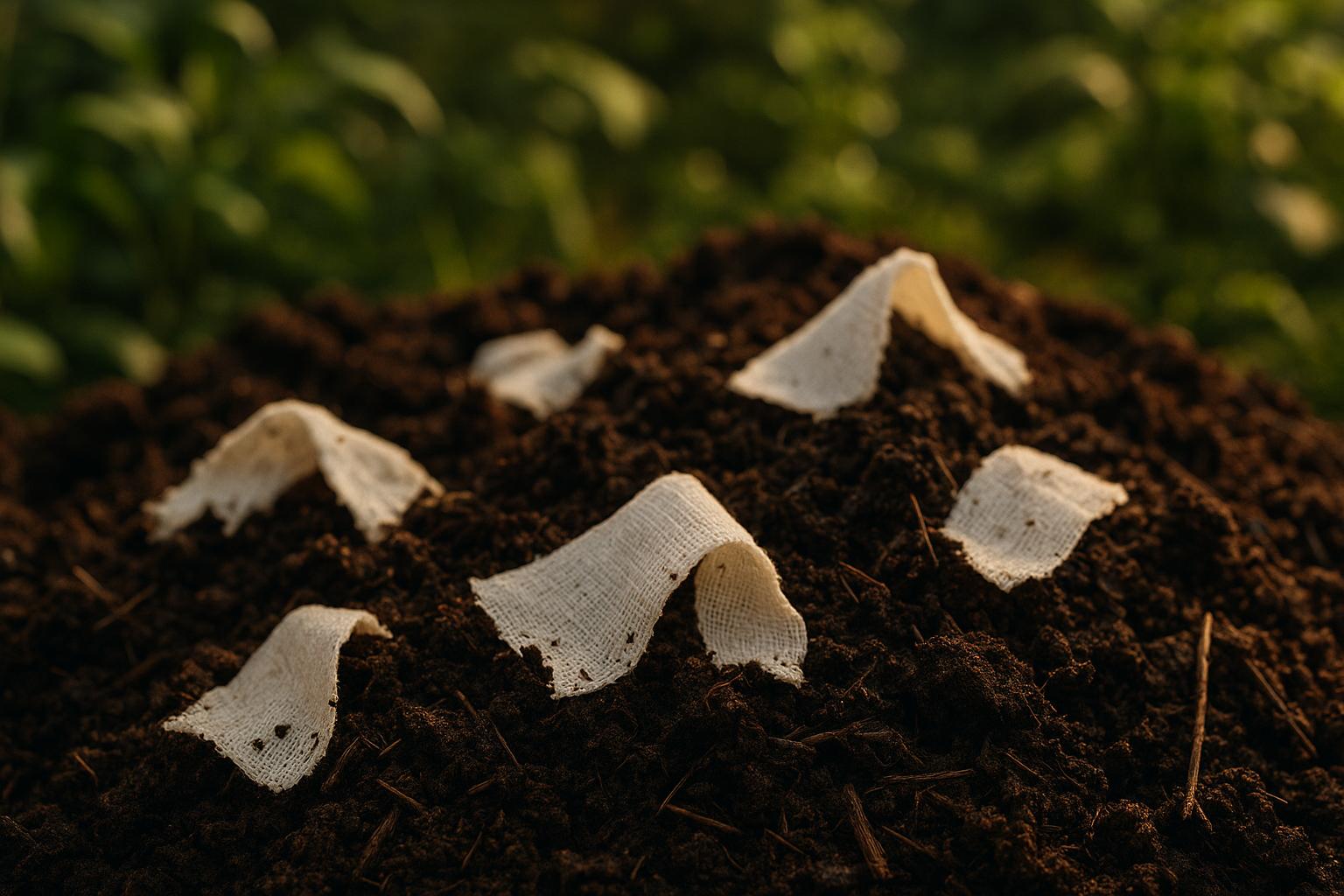
In industrial composting facilities, where temperatures range between 131–140°F and conditions like moisture and oxygen are carefully controlled, polyester with biodegradable additives can break down in just 12 weeks. To meet industrial compostability standards, 90% of the material must biodegrade within 180 days under these conditions. For example, PLA (polylactic acid), a biodegradable polyester, completely decomposes in a few months in such settings but degrades much more slowly at room temperature.
These changes don’t just make polyester more eco-friendly - they also fit seamlessly into existing manufacturing processes.
One of the practical benefits of biodegradable additives is how easily they can be incorporated into current polyester production. Manufacturers can add these compounds during the compounding or extrusion stages without needing to modify their equipment.
These additives are used in small, carefully measured amounts to ensure the polyester retains its original properties - like strength, flexibility, and durability - while in use. This means that standard textile production processes, such as dyeing, printing, and finishing, remain unaffected. The material’s shelf life also stays intact, as the biodegradable features only activate when the polyester is exposed to the right microbial environment at the end of its lifecycle.
This compatibility ensures that manufacturers can adopt these additives without sacrificing product performance or efficiency.
The lifecycle of polyester takes a dramatic turn with biodegradable additives. In a composting environment, the process starts when microorganisms attach to the fabric, drawn by the chemical changes introduced by the additives. As these microbes multiply, they break down the polymer structure, causing the material to lose its physical integrity until it’s reduced to particles small enough for microbes to fully metabolize.
The end products of this process - biomass, carbon dioxide, and water - are non-toxic and reintegrate safely into the environment. This is a stark contrast to conventional polyester, which can persist in ecosystems for decades without breaking down.
In landfills, where conditions are typically anaerobic, the breakdown process is slower and follows different microbial pathways. Still, the additives enable a level of degradation that traditional polyester cannot achieve. Given that about 50% of plastic waste ends up in landfills, these additives address a significant part of the global textile waste problem.
Temperature plays a key role in this process. Higher temperatures, like those in industrial composting, speed up microbial activity and enzyme function, leading to faster decomposition. Lower temperatures slow things down, but the material will still degrade over time. By enabling polyester to re-enter the natural cycle, these additives contribute to closing the loop in the textile industry. They offer a way for materials that are difficult to recycle to break down naturally, aligning with the broader goal of creating a more sustainable textile economy.
The textile industry is increasingly adopting biodegradable additives to align with circular economy principles. These additives are seamlessly integrated into polyester-based materials, which are commonly used in clothing, home textiles, industrial fabrics, and even packaging.
What makes these additives so effective is their versatility. They can be incorporated directly into synthetic fibers, allowing them to be used in a wide range of products, from athletic wear to technical textiles. The best part? They don’t interfere with essential processes like dyeing, printing, or finishing. This means manufacturers can maintain the quality, appearance, and performance of their products while taking a step toward sustainability.
As consumer interest in eco-friendly products grows, fashion brands are exploring ways to balance environmental responsibility with durability. Polyester remains a dominant fiber in the industry, and by integrating biodegradable additives, manufacturers can improve its sustainability without sacrificing the qualities that consumers value.
Blended fabrics also benefit from these innovations, as the polyester components become more biodegradable. Home textile producers and non-woven fabric manufacturers are applying these solutions to products like bedding, hygiene items, and medical textiles. This approach addresses environmental concerns across various waste streams while meeting the functional needs of these products.
Biodegradable additives also play a key role in creating closed-loop systems within the textile industry. These systems aim to keep materials in use for as long as possible and ensure they can safely return to the environment when their lifecycle ends.
Recycling polyester has its challenges. Mechanical recycling can reduce material quality, and chemical recycling options are still limited. Biodegradable additives offer an alternative for textiles that can’t be efficiently recycled. When sent to industrial composting facilities, these textiles break down into non-toxic biomass, which can enrich soil and complete the cycle of use and renewal.
In addition to composting, these biodegradable textiles provide other disposal options that help divert waste from landfills. This aligns with broader waste reduction efforts across the United States, benefiting communities and organizations alike. For example, in take-back programs, items that can’t be resold or donated can be directed to recycling or composting, simplifying end-of-life management.
Biodegradable additives also address the complexities of mixed-material textiles. Many products combine synthetic fibers with components like metal or plastic, making recycling difficult. By integrating these additives into the polyester portions, even mixed-material items can be managed more effectively at the end of their lifecycle.
Industrial composting facilities also gain an advantage. With biodegradable textiles entering the waste stream, these facilities can process a wider range of materials. This not only supports manufacturers’ sustainability goals but also helps waste management organizations expand their capabilities, showcasing how these additives can be applied across various industry needs.
The fashion industry is increasingly turning to biodegradable additives as a way to tackle textile waste while meeting consumer demand for eco-friendly products. Many brands are testing these additives in pilot programs to evaluate their performance across various product lines.
For brands working with polyester-based materials, the challenge lies in balancing durability, color retention, and comfort with environmental goals. Biodegradable additives provide a solution by enabling polyester fabrics to break down at the end of their life without sacrificing quality during use.
Implementing these additives requires close collaboration between manufacturers, suppliers, and designers. Many companies start small, introducing biodegradable polyester in limited product categories. This phased approach allows them to test how the materials hold up in everyday conditions and gauge customer reactions to their sustainability efforts.
While fashion brands are taking measured steps to incorporate these materials, industrial sectors are also adopting biodegradable additives for notable environmental benefits.
Outside of fashion, industrial and commercial sectors are finding innovative uses for biodegradable additives in polyester textiles. A standout example comes from HBF Textiles, which introduced three biodegradable textile patterns - Digital Bloom 2.0, Skim Coat, and Crumpled Paper - in 2025. These fabrics, which are 91–93% biodegradable, degrade within just a few years, a stark contrast to the centuries it takes for standard polyester to break down. This marks a significant advancement in commercial interiors, where durability has traditionally been the top priority.
The commercial textiles industry faces unique challenges, as products like office furniture, hospitality upholstery, and healthcare materials must meet rigorous performance standards. HBF Textiles' success proves that biodegradable additives can integrate seamlessly without compromising essential qualities. Similarly, industrial textiles used in sectors like agriculture, construction, and manufacturing - such as geotextiles, protective covers, and temporary structures - benefit from these additives. These materials serve their purpose effectively and then decompose naturally, reducing both environmental impact and cleanup costs.
Another key advantage is the lower carbon footprint of recycled polyester. Producing recycled polyester emits 79% less carbon compared to virgin polyester. When paired with biodegradable additives, the environmental benefits extend across the entire lifecycle of the product. Lab tests reveal that polyester with these additives can fully biodegrade in about 2.5 to 4 years under controlled conditions, a rate comparable to natural fibers like wool.
Incorporating biodegradable textiles also supports corporate sustainability goals and green building initiatives. Facilities aiming for LEED certification or other environmental standards can use these materials to earn points for sustainable material choices and waste reduction. This not only helps the environment but also provides a competitive edge for businesses.
These real-world examples highlight how biodegradable additives are helping to close the loop in textile systems. As more performance data becomes available, the potential for broader adoption across industries continues to grow.
Biodegradable additives help polyester break down into biomass when exposed to microbe-active environments. This reduces waste while keeping the material strong and durable throughout its use. What’s great is that these additives can be incorporated into current manufacturing processes without requiring additional investments, making them an efficient solution.
Another advantage is their adaptability. These additives can promote decomposition in various settings - whether it’s an industrial composting facility, a landfill, or even the ocean. In a market that increasingly values environmentally conscious practices, this flexibility can provide businesses with a competitive edge.
These benefits play a key role in supporting the shift toward a circular textile economy.
While the benefits are clear, successfully using biodegradable additives depends on addressing some critical operational and regulatory factors.
For these materials to biodegrade, they must end up in environments where microbes are active. This means businesses need to set up systems like product return programs or collaborate with waste management companies to ensure proper disposal routes.
Effective end-of-life management is crucial. This includes collecting and sorting used materials, educating consumers on proper disposal, and strictly following regulatory guidelines. Regular testing is also vital to ensure that the additives don’t compromise the product’s performance.
Finally, transparency in the supply chain is key. Partnering with suppliers who provide consistent, certified quality ensures reliable results. These steps are essential for advancing a circular textile economy.

Shifting traditional polyester toward compostable textiles is reshaping how the fashion industry approaches environmental responsibility. By introducing biodegradable additives, synthetic materials can decompose into safe, natural byproducts when exposed to microbe-rich environments. This development tackles the long-standing issue of synthetic fibers lingering in landfills and ecosystems for centuries, offering a way to minimize their environmental toll while improving how textiles are managed throughout their lifecycle.
What makes this change particularly appealing is its practicality. Biodegradable additives can be seamlessly incorporated into existing production processes without requiring expensive equipment upgrades or major disruptions. This means businesses - large and small - can embrace more sustainable practices without facing prohibitive costs.
For a truly circular textile economy to work, materials need to flow seamlessly through their life stages: from production to use, to decomposition, and ultimately back to nature. Biodegradable additives make this possible by ensuring textiles can break down safely at the end of their life, whether in industrial composting facilities, controlled landfills, or other microbe-rich environments. This innovation provides a realistic and effective way to reduce waste while aligning with broader environmental goals.
However, success depends on collaboration. Manufacturers, brands, and waste management systems must work in sync to ensure these materials are processed properly. When aligned, biodegradable additives become a game-changing tool for reducing waste and promoting meaningful sustainability.
As the textile industry faces growing pressure to lower its environmental impact, biodegradable additives offer a practical and responsible solution. They’re not just a small step forward - they represent a bold rethinking of what synthetic textiles can achieve.
Biodegradable additives change the makeup of polyester, making it easier to break down under composting conditions. These additives work by increasing the material's ability to absorb water, speeding up hydrolysis reactions, and creating weak points in the polymer chains. This process helps microorganisms break down the material more effectively, eventually converting it into compostable elements.
When these additives are used, polyester-based textiles shift from being durable synthetic materials to more environmentally friendly options that align with the principles of a circular economy.
To make sure textiles with biodegradable additives are disposed of properly, systems like collection programs and take-back initiatives play a key role. These programs collect used textiles and ensure they are sent to facilities equipped for composting or other environmentally friendly disposal methods.
Equally important is the teamwork between manufacturers, retailers, and waste management services. This collaboration not only helps educate consumers on proper disposal practices but also simplifies the process. By putting these systems in place, the potential environmental advantages of biodegradable textiles can be maximized, contributing to a more sustainable and circular approach in the textile industry.
Manufacturers can incorporate biodegradable additives into polyester products effectively by choosing additives that are tailored to maintain the strength, color, and texture of the material. These specialized additives are designed to decompose in composting environments, all while ensuring the product remains functional and reliable throughout its intended lifespan.
Through thorough testing and fine-tuning of formulations, manufacturers can uphold the durability and visual appeal that consumers demand, while also lessening the environmental impact of polyester textiles. This method strikes a careful balance between eco-consciousness and practicality.